
Recovery from Problem Gambling

Recovery from Problem Gambling

September is Recovery Month! For so, so many, there is a light at the end of the problem gambling tunnel. Recovery from problem gambling often seems like a hurdle, especially since the addiction itself is often hidden from family and friends. It is important for those who suffer, as well as their family and friends, to understand that there is recovery. Recovery is for everyone, but it is not a one-size-fits-all approach.

It is also incredibly important to educate, prevent, and screen for problem gambling. Gambling poses so many risks to health and well-being. The more preventative measures we can take to prevent and treat problem gambling, the better the overall health of our society will be.

Recovery from problem gambling means the beginning of a life free of addiction. As well as the risks it poses to emotional, financial, professional, and physical health, and overall health of relationships. Without the grip of problem gambling, an individual is more likely to live a prosperous, healthy, and happy life.
September-is-Recovery-Month

Recovery is not like a trip to the doctor for an antibiotic. We cannot prescribe a seven-day treatment that will erase problem gambling. Instead, it is a continuum of care. For that reason, it is important to discuss prevention when discussing recovery. When an individual is on the path to recovery, preventing a relapse will help prevent further problems and support recovery efforts.

In New York, it is important to spread positive messages of problem gambling prevention so that individuals at risk or suffering from problem gambling can find comfort in knowing they have resources – and more importantly, people – who are there to find solutions to prevent, or recover from, problem gambling. The risk of problem gambling is real, especially for those who suffer from other addictions, and if we, as a community, spread the message of prevention, we can minimize the threat.

One of the most effective methods to start a discussion about gambling problems is to screen for problem gambling. At the New York Council on Problem Gambling, we highly encourage screening for problem gambling. Screening is an easy way to identify individuals who may be in need of support services for problem gambling. And it can, quite literally, save lives as those who are identified as having problems due to gambling are more likely to consult a physician about mental health concerns than those who have not been identified as having a problem.

If you or someone you know is suffering from gambling-related problems, it can be a scary and tumultuous time. But some resources can prevent or lead to recovery. To find help in New York State, reach out to your local Problem Gambling Resource Center at NYProblemGamblingHELP.org today!


The Link between Military Service and Problem Gambling

Gambling has become more of an open topic in our society. We can see it in our expanded gambling legalization, TV commercials advertising for sports betting, and friends continuing to bet on everything from sports to politics. Active military personnel and veterans are among the population of individuals that are especially vulnerable to problem gambling. According to the National Council on Problem Gambling, it’s estimated that up to 48,000 active duty service members have gambling problems.

Why is military employment an indicator of problem gambling risks?

There are multiple reasons why military personnel are susceptible to problem gambling. First, gambling opportunities are often readily available and are often seen as providing a reprieve for individuals in secluded areas with limited access to entertainment and their family and friends at home. Gambling becomes a crutch to quench boredom and loneliness.

Another way gambling is used as a distraction for military personnel is to avoid feelings of stress, anger, and/or depression. As seen in alcohol abuse or drug dependencies, gambling often provides a high for an individual who otherwise feels at a low point. Gambling offers a distraction from extremely stressful situations and may become a dependency for some.

_Military-Service-and-Problem-Gambling

Additionally, gambling can be the replacement for the rush of deployment. The rush deployed servicemen feel may be replaced with gambling once they return home. Seeking that rush through gambling can easy turn a seemingly harmless activity into an addiction.

Retiring from the military also leaves veterans vulnerable to a gambling addiction. Readjusting to civilian life may be overwhelming from attempting to find gainful employment and/or the prevalence of post-traumatic stress disorder, among other things. These  are common reasons why a veteran may seek an escape from an otherwise emotionally overwhelmed life. 

The repercussions of gambling for active military members

Problem gambling may have serious consequences for active military personnel. Problem gambling has rippling effects. It seeps into every aspect of an individual’s life from personal, to professional, to financial. Problem gambling poses a risk to military careers as problem gambling shifts focus from service duty to chasing the next gambling “high.”

Like other addictions, those suffering from problem gambling often lose money and try to win that money back. In most occasions, this leads to losing additional money and time to gambling. This is often hidden from spouses, family, and friends, causing personal and financial damage when revealed.

The repercussions of gambling for veterans

On top of the consequences active military professionals suffer from, as noted above, veterans often struggle with finding adequate and comprehensive healthcare. Seeking treatment for disorders that may lead to problem gambling, such as post-traumatic stress disorder, is not always possible for veterans. And once gambling becomes a problem, veterans may be hesitant or unable to seek out treatment.

Raising awareness of problem gambling in the military

It is important that, as a community, we continue to support our active and retired military personnel. In order to effectively do that, it is important to raise awareness of the correlation between military employment and problem gambling, as well as available treatment. In New York State, your local Problem Gambling Resource Center, which can be found at  NYProblemGamblingHELP.org, can help. If you or a loved one are active military personnel or a veteran and are suffering from problem gambling, please reach out for support, today.  


Problem Gambling’s Risk to the Family Members of those Suffering

Those suffering from problem gambling are at risk for a host of problems, including financial, personal, professional, and overall health. However, gamblers are not the only ones at risk of the consequences of problem gambling. Family members also suffer in various ways. One, often not discussed due to the sensitivity of the topic, is through domestic violence that stems from the gambling addiction.

Problem gambling is chaotic for a family. It hurts emotionally and financially, and sometimes legally. It also puts a large burden on the other family members to pick up the slack in terms of normal household and familial duties. Resentment often builds as the hurt builds.

Research has been consistent in its conclusion on the correlation between problem gambling and domestic violence. The reason why is quite simple: the biggest rift in families usually stems from finances, and gambling puts a heavy burden on a family’s financial health. Gambling – whether problematic or not – often causes couples to argue over money.

These financial disputes have the possibility to escalate to abuse, which can include physical, emotional, sexual, or otherwise abusive behavior. Unfortunately, these forms of intimate partner violence are hidden in the walls of many homes across New York State. However, for partners of problem gamblers, that risk increases tremendously, similarly to that of those who abuse alcohol or other substances. Some studies show that over 60% of families that deal with problem gambling also deal with domestic violence.

In addition to the strain on the relationship leading to intimate partner violence, those suffering with problem gambling are often prone to an inability to control impulses, have low tolerance threshold, and are susceptible to withdrawing from close personal relationships, including the individual’s spouse and children. This behavior also increases the risk of intimate partner violence.

At the New York Counsel on Problem Gambling, we are here to help those who suffer with problem gambling and their families. Access to help is just a phone call away. Recovery from gambling can lead to recovery from the problems that stem from the underlying conditions resulting from gambling problems.  However, if you feel unsafe and fall victim to acts of domestic violence, please reach out to the authorities.

Veterans & Problem Gambling

Gambling Problems: Veterans vs. The General Public

Problem gambling affects a wide range of demographics in the veterans’ community. According to NCPG Executive Director Keith S. Whyte, 1 to 3 percent of the American public experience gambling problems in any given year, but “studies consistently find rates among age-matched veterans are significantly higher, and highest among veteran minorities. Rates are even higher among veterans seeking treatment for some other disorder.” Research reports a correlation between veterans’ mental health issues and problem gambling. Veterans need to have access to adequate health care, proper screening, and treatment.

veterans problem gambling.

Mental Health & Problem Gambling Among Veterans

How do mental health and problem gambling relate to the lives of veterans? Problem gambling frequently co-occurs with other psychiatric disorders, including depression, suicidal ideation and  substance abuse. Veterans that present these conditions may be at a higher risk for problem gambling and vice versa. Veterans and their family members need to pay close attention to the warning signs of gambling addiction, such as:

  • Dishonesty (Lying to family members or others to hide the extent of the gambling)
  • Missing money (Asking others to bail you out of financial trouble because you gambled the money away)
  • Repression or withdrawal (avoiding other issues and channeling energy into one thing or withdrawing from social events with friends and family)

Unlike most casual gamblers who stop when they cross their limit of time and money, people with compulsive gambling problems continue to gamble to recover their money. In turn, this develops a pattern that becomes increasingly destructive over time.

Friends and family should also pay close attention to the warning signs of mental illness in veterans, such as:

  • Anxiety, agitation, sleeplessness, or mood swings
  • Feeling as if there is no reason to live
  • Feeling excessive guilt, shame, or a sense of failure
  • Rage or anger
  • Engaging in risky activities without thinking
  • Increasing alcohol or drug misuse

Reaching Out For Support 

If you or someone you love is a veteran struggling with problem gambling, it can be hard to come to terms with the addiction and ask for help. There is help and resources available, especially for veterans. The Problem Gambling Resource Centers are willing to assist you and your family in achieving your goals and living the best life you possibly can. You can find help in NYS at NYProblemGamblingHELP.org. There you’ll be connected to a live person to discuss the support the caller’s looking for. They are here to help.

Sources: 

Prioritizing Social Wellness

Social wellness is an encompassing term that refers to our relationship with ourselves and others. In order to be “socially well,” we must build relationships that foster healthy living and provide support and encouragement through difficult times. For those who suffer from addictive behaviors, such as gambling, social wellness is incredibly important. Unfortunately, it is those individuals who tend to suffer when it comes to social wellness.

Social isolation has been a large topic of conversation due to the COVID-19 pandemic. Isolation hinders social wellness as individuals are forced only to look internally, losing out on physical touch and outside encouragement. However, for some classes of people, social isolation has always been a threat. Those individuals include the elderly, as well as people with emotional disorders, depression, substance abuse, or gambling disorder.

Friends holding hands at sunset

Social isolation does not only cause sadness, but it can also impact physical health and shorten an individual’s lifespan. It is important for us to realize when our social wellness is suffering or we feel isolated so we can take steps to improve our overall well-being. For mentally and physically healthy individuals, this task is often not difficult. However, for those who suffer from disorders, such as gambling disorder, these problems accumulate and become seemingly insurmountable.

In society, gambling and socialization sometimes go hand-in-hand, such as a bachelor party to Las Vegas, a trip to the racetrack, a ticket on football Sunday, and the list goes on. And for many people, they are able to encounter these one-off social events and then go on with a mostly healthy lifestyle. However, for others, what may start as social interaction with friends and family gambling together, can deteriorate into a disorder that threatens to have damaging impacts to that same social circle.

Studies show that ultimately, gambling has a negative effect on our overall well-being because the results of gambling are typically negative; this is exacerbated when gambling is a habit as opposed to a weekend away event. In fact, self-reported gambling addicts were most likely to report fair to poor self-rated health and fair to poor self-rated happiness relative to the rest of the population.

Treatment for gambling disorder is imperative for yourself or a loved one that you believe is suffering from problem gambling. Because problem gambling often deteriorates social wellness, those with gambling disorder often suffer on multiple fronts that exacerbate over the course of time. 

Unlike physical health conditions, motivating someone to accept help for a behavioral health condition like gambling, among others, can be tough because denial is often the initial reaction to the perceived accusation that your loved one has a “problem.” Because of this, it is important to proceed gently and lovingly, instead of with threats, accusations, or consistent badgering. In fact, these behaviors may make your loved one’s problem worse. 

The New York Council on Problem Gambling has numerous resources to assist you or a loved one when brave enough to seek help.

Pride Month and Problem Gambling

National Month of Pride 

June is Pride Month to celebrate the LGBTQIA+ community. Many cities around the world have parades and celebrate the LGBTQIA+ community. Participants dress in every color of the rainbow to symbolize the Pride Flag and take to the streets to show their support for the gay community. Other events during pride month include concerts, parties, workshops, and learning opportunities. 

pride month

The History of Pride Month

Pride month commemorates the Stonewall Uprising of June 1969. This uprising was one of the turning points for gay rights in the United States. The Stonewall riots began with the violent police raid on a Manhattan gay club called the Stonewall Inn. Protests lasted several days after the police raid. On the anniversary of the riots one year later, thousands marched for gay rights in the first New York City Pride March. President Clinton issued the first “Gay and Lesbian Pride Month” proclamation in 1999.


Problem Gambling and Sexual Orientation

While there is limited research on the correlation between problem gambling and sexual orientation, there is research that examines the relationship of sexual orientation to psychiatric disorders by examining the sexual orientation of men struggling with problem gambling. According to this study, there is a more frequent acknowledgment of impulse control disorders and other psychiatric disorders observed in gay and bisexual men compared with heterosexual men with problem gambling. In addition, gay and bisexual men appear to suffer from substance use disorders at 2 to 3 times the rate found in the general population. These findings suggest that gay men represent a high-risk group for various psychiatric illnesses, particularly addictive disorders such as problem gambling. 


Reaching Out For Support 

If you or someone you love is struggling with problem gambling, it can be hard to come to terms with the addiction and ask for help. There is help and resources available. The Problem Gambling Resource Centers are willing to assist you in achieving your goals and living the best life you possibly can. You can find help in NYS at NYProblemGamblingHELP.org. There, you will be connected to a live person to discuss support the caller’s looking for. These people  are here to help.


Sources:

https://www.globesmart.com/blog/celebrating-lgbt-pride-around-the-world-things-to-know/


https://www.ncbi.nlm.nih.gov/pmc/articles/PMC1807268/


The Interconnection between Gambling Disorder and PTSD

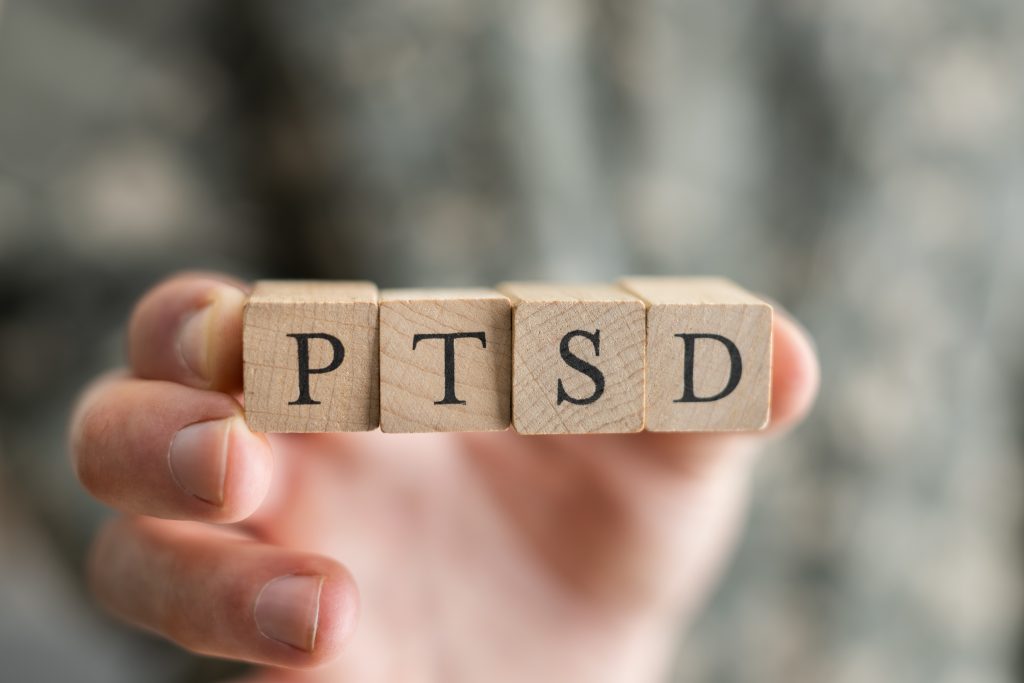
PTSD, or Post-Traumatic Stress Disorder is a mental health disorder that is brought on by experiencing or witnessing a traumatic event. PTSD often causes severe anxiety, flashbacks, and nightmares, but the life-altering effects of PTSD often do not stop there. Individuals with PTSD are often at risk for the development of other unhealthy tendencies or disorders, such as gambling disorder, self-injury disorder, substance abuse, or eating disorders.

Because of the severe anxiety brought on by the triggering event that causes PTSD in individuals, medical professionals believe that those who suffer from PTSD develop other unhealthy habits in an attempt to cope with their PTSD. In fact, studies have shown that individuals who have suffered severe stress or trauma have an increased likelihood of also suffering from gambling disorder. 

It is believed that up to 4% of the US population suffers from gambling disorders. Gambling Disorder is an addictive disorder that manifests through the following symptoms:

PTSD
  1. A preoccupation with gambling;
  2. A need to “increase the stakes” by gambling with more and more money to achieve excitement;
  3. An inability to stop or reduce gambling and increased irritability when attempting to stop or reduce gambling;
  4. An increase in the amount of gambling when under distress;
  5. Continuing to gamble even when losing;
  6. Lying about gambling behaviors to family and friends;
  7. Loss of relationships, employment, and other life opportunities due to gambling behaviors; and
  8. Requesting financial assistance from others based on the negative financial impact of gambling.


In order to be diagnosed with gambling disorder, an individual must display four of the above eight associated symptoms. There are predictive behaviors or underlying mental health conditions that often serve as an indicator that an individual is susceptible to gambling disorder. One such predicate is PTSD.

In studies of individuals with gambling addictions, results have shown that up to 34% of such population also suffers from PTSD. It is believed that this link is caused by the PTSD individual attempting to use gambling as an attempt to escape his or her symptoms. Because gambing “wins” often bring a rush of happiness and relief, and even a “high” similar to those reported in individuals with substance abuse issues, it is seen as desirable for someone with PTSD.

The problem is that the relief brought on by gambling is often short-lived, because eventually luck changes and money dwindles. This will result in increased financial loss, further despair and interpersonal problems, as well as an increased risk for self-harm.

Obtaining help from a medical professional is important for someone with a gambling disorder and/or PTSD. Unfortunately, these disorders are often affiliated with feelings of shame or denial, which lessen the odds that an individual will seek professional help. Oftentimes, as symptoms of PTSD are minimized, the gambling problem will lessen, but it is still important to seek help to address both concerns. 

There are plenty of resources available to individuals who suffer from a gambling addiction. In New York, The New York Council on Problem Gambling is here to assist you by helping connect you with resources that will help treat your problem gambling.


The Connection between Problem Gambling and Alcoholism

Many people enjoy social events that include gambling and/or drinking without ever developing a problem or an addiction. However, some people do develop an addiction to gambling or alcohol or both. And oftentimes, problem gambling can lead to substance abuse. Where there is gambling, there is usually alcohol.

A sign of gambling is when an individual has an urgent need to continue gambling, even increasing risks to chase the losses. It is considered a disorder when it severely impacts an individual’s personal life, including interpersonal relationships, professional livelihood, and finances. Gambling addiction effects are estimated to be less than 2% of individuals in the general population but can be completely debilitating to them and loved ones around them.

Problem Gambling and Alcoholism

Most adults gamble at some point in their adult life, whether it be on the lotto, at a casino, or in relation to a sporting event. In fact, many individuals partake in that behavior before adulthood. Problem gambling does tend to develop over the course of years, making individuals who begin gambling at a younger age more susceptible to problem gambling.

When gambling begins and becomes problematic earlier in life, there is an increased likelihood that the individual will also struggle with alcoholism or another substance abuse problems. There is a strong link between problem gambling and problems with the use of drugs and alcohol. In fact, alcoholism is the most frequently reported comorbidity for those with a gambling addiction.

There are several reasons for this:

  1. Many institutions that promote or allow gambling also serve alcohol.
  2. Alcohol is used socially in celebration or to numb the pain of defeat, one of which individuals who gamble will feel very often.
  3. Problem gambling is often affiliated with depression and with many people suffering from mental illness, many attempt to self-medicate with alcohol or other drugs.
  4. Impulsive tendencies are often found in people who are addicted to both gambling and alcohol, and other substances.

There are programs that can help people suffering from problem gambling. Seeking help and continuing care is available to manage problem gambling. You are not alone. For help in NYS, visit NYProblemGamblingHELP.org.

Financial Literacy Month: How Problem Gambling Can Lead to Debt

Problem gambling can cause severe disruptions to an individual’s social, familial, and professional life. Gambling becomes a problem when their gambling causes him or her problems in their life. The risk of problems increases when more time and money are spent by an individual on gambling. The type of harm caused spans the realm of mental health harm, social harm, and financial harm.

Often overlooked, despite it being no secret, is that problem gambling can put an individual in debilitating debt, exacerbating the problems that arise from problem gambling. When financial risks become a normal part of life, an individual becomes desensitized to the consequences gambling activities can bring upon them and their loved ones. 

debt-gambling

Gambling often dwindles down an individual’s savings account or that of his or her family. However, once the savings are gone, the individual may not stop gambling. This is where debilitating debt begins. This is due to the individual gambler feeling an increasing need for the rush from risking valuables on gambling. It’s not the winning that a person with a gambling problem is seeking, but the high that comes with the chance of possibilities. 

Problem gambling is often not a financial choice, but a mental health problem as people spend more money and time chasing the high from the chance involved. However, the financial repercussions of gambling are often extremely serious, impacting financial stability and interpersonal relationships.

Financial education can reduce problem gambling. Financial literacy is the ability to understand how to budget and use that budget to make financial decisions. Educating individuals on financial literacy can help with a the piece of the problem that is specific to money management. Although gambling is a brain disease/disorder, financial literacy can help prevent gambling problems and support individuals and families in treatment and recovery to begin managing their gambling debts.

Employing methods to increase and improve financial literacy can help prevent gambling problems in our community members. This could be through the education system for children or free programs for adults that did not benefit from financial education as a child. An increase in financial literacy can help our society make responsible decisions with their money and more informed decisions on how to best manage their money. This may help reduce the risk of problem gambling.

For help with problem gambling and continued resources to aid in understanding financial literacy and gambling disorder in New York State, utilize the resources at NYProblemGamblingHELP.org.

The Truth About Gambling Addiction: A Struggle with Mental Illness

Problem gambling may go unnoticed by family and friends for a bit, but after a while this illness becomes impossible to ignore for the individual suffering and his or her family and friends. Like other mental illnesses, the struggle with problem gambling may feel hopeless and impossible to overcome. However, there is help out there for problem gambling.

As of 2013, the Diagnostic and Statistical Manual of Mental Disorders (DSM-5) included gambling disorder as a mental health disorder. To be included in the DSM-5 studies and research must show that an ability to stop gambling is not for lack of willpower, but instead a mental condition for which professional treatment can help.

Like other addictions, problem gambling is often met with criticism from others, including family and friends. Many people struggling with problem gambling cannot count on their hands how many times they’ve heard, “just stop,” “it’s easy, just don’t bet on any games this week,” “you’re losing everything, stop.”

But, like other addictions, the truth is that it is not that easy. The good news: those struggling with a gambling addiction can be diagnosed by a trained clinician and treated for this mental health disorder; but those who suffer must be aware that there is help out there.

Gambling addiction is NOT a weakness. It is an addiction and illness in the same way alcohol or drug addiction is an illness. Any addiction is a mental health disorder that, once recognized, can be identified and treated by a mental health professional. If you believe you or a loved one struggles with gambling addiction, it is important to get connected to help.

In New York State, it is easier than one would think to seek and receive help for problem gambling. And the help is not only aimed at the individual struggling with problem gambling, but also anyone close to them that has also suffered due to their loved one’s gambling. All you have to do is reach out and there is help for you and your family.

If you or a loved one struggles with problem gambling, you can reach out to your local Problem Gambling Resource Center by visiting NYProblemagamblingHELP.org.  Every caller is greeted by a professional with extensive knowledge of resources and services available, including inpatient care center, a one on one clinician, self-help groups, etc.

Additionally, the New York Council and Problem Gambling (NYCPG) has created a Family Toolkit. This toolkit offers resources and information to learn more about problem gambling. It also covers ways to take care of yourself, and resources to discuss the effects of problem gambling. Follow the NYCPG on Facebook and Twitter to be connected with additional statistics and resources as we continue to help people negatively affected by gambling problems.